

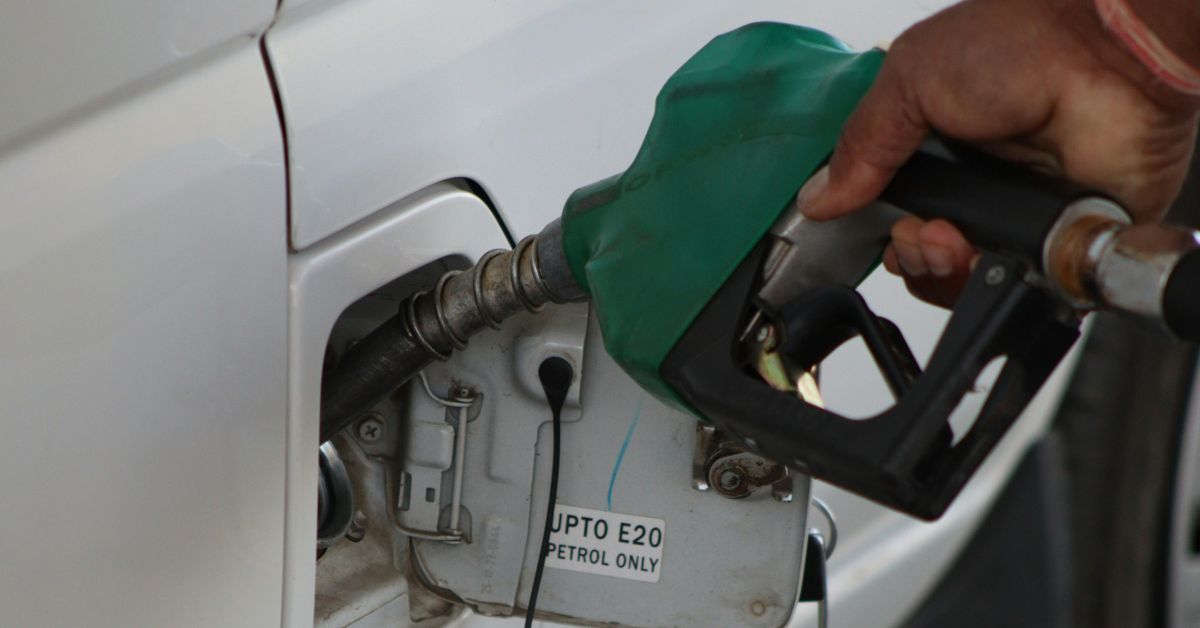
In recent times, Nigeria has experienced a significant rise in fuel prices, and its ripple effects are being felt across every sector of society. From transportation and business operations to food prices and everyday living, the impact of increased fuel prices in Nigeria is undeniable. Fuel remains one of the most essential commodities in the nation; powering vehicles, industries, and even homes through generators. When prices surge, the effects reach both the wealthy and the average citizen, reshaping the country’s economic landscape and the cost of living.
As we explore the impact of increased fuel prices in Nigeria, it becomes clear that this issue goes beyond economics; it affects lifestyle, opportunities, and national growth. In this post, we’ll examine six key areas where Nigerians are feeling the heat and discuss practical ways forward.
1. Economic Strain and Inflation
One of the most immediate effects of higher fuel prices is inflation. Transportation costs go up, and since most goods in Nigeria depend on road transport, their prices also increase. From food items to household essentials, everything becomes more expensive, reducing the purchasing power of ordinary citizens.
Businesses also bear the brunt of this inflation, especially small and medium enterprises that rely heavily on logistics and energy. With higher costs of operation, many business owners are forced to increase their prices, reduce their workforce, or in some cases, shut down completely. The result is a ripple effect that affects employment rates, consumer spending, and overall economic stability.
2. Socioeconomic Inequality
The burden of increased fuel prices in Nigeria is not shared equally. Low-income earners, who already struggle with limited resources, face the hardest hit. The cost of transportation, food, and utilities increases, while their earnings often remain stagnant. This widens the gap between the rich and the poor, creating deeper social inequality.
Many families are now forced to make difficult choices; between feeding properly, paying bills, or commuting to work. This growing disparity can threaten social harmony if left unchecked. For a sustainable solution, the government and private sector must collaborate on measures such as subsidized transport systems and targeted relief programs for low-income households.
3. Transportation Challenges
Transportation is one of the sectors most affected by fuel price hikes. With public transport fares doubling or even tripling in some regions, daily commuting has become a financial struggle for millions. For many Nigerians who rely on “daily hustles” or informal jobs, these rising costs directly reduce their earnings.
The high cost of transportation also affects students, market traders, and civil servants who depend on public vehicles to move around. In major cities like Lagos, Abuja, and Port Harcourt, the traffic congestion compounds the stress, wasting both fuel and time.
To ease the burden, Nigeria needs a long-term investment in efficient public transport and alternative fuel options, such as electric or gas-powered buses.
4. Agriculture and Food Security
The agricultural sector, one of Nigeria’s economic backbones, is not spared from the effects of increased fuel prices. Farmers depend on fuel for irrigation, machinery, and the transportation of crops to markets. When fuel prices rise, the cost of food production and distribution increases, leading to higher food prices for consumers.
Even essential commodities like bottled water, sachet water, and eggs have become more expensive because their production depends on fuel-powered systems, especially in areas where electricity supply is unreliable. This creates a serious food security challenge, affecting both rural farmers and urban households.
Supporting farmers with subsidies, improved access to renewable energy, and better transportation networks can help stabilize prices and protect the food supply chain.
5. Business and Investment Climate
Fuel price increases directly influence Nigeria’s business environment. Many local businesses struggle with high energy costs, reduced profit margins, and unpredictable operational expenses. As a result, investors may lose confidence in the market, leading to reduced foreign direct investment.
The exit of notable companies like GlaxoSmithKline (GSK) from Nigeria in recent years reflects how tough the business climate has become. To attract and retain investors, the government must focus on energy reform, infrastructure development, and transparent fiscal policies that support both local and international businesses.
Promoting renewable energy, providing incentives for clean technology, and strengthening the ease of doing business can help boost investor confidence.
6. Environmental Implications
With higher fuel prices and continuous dependence on petroleum, Nigeria faces environmental challenges such as air pollution, toxic emissions, and increased carbon footprint. Many citizens use generators due to inconsistent electricity supply, releasing harmful gases that degrade the environment.
Transitioning towards renewable energy like solar and wind is not just an environmental goal but also an economic one. It can reduce dependency on fuel, lower household expenses, and create new green jobs for Nigerians.
However, for this transition to happen effectively, the government needs to strengthen energy policies and promote awareness on sustainability among citizens.
Coping Tips for Nigerians Amid Fuel Price Hike
While the impact of increased fuel prices in Nigeria can feel overwhelming, there are practical ways individuals and families can adjust and stay afloat:
- Carpool or share rides – Team up with friends, neighbours, or colleagues to split transport costs.
- Adopt remote or hybrid work tools – Reduce daily commuting by using virtual collaboration platforms like Zoom, Trello, or Slack.
- Use energy-efficient alternatives – Switch to solar lamps, rechargeable fans, or low-power appliances to save on fuel.
- Embrace a budget-friendly lifestyle – Track expenses, prioritise needs, and buy food in local markets where prices are fairer.
- Form cooperative groups – Pool resources with others to buy fuel or groceries in bulk at discounted rates.
- Stay informed – Follow updates on government reliefs, palliatives, and alternative energy initiatives that can reduce the financial strain. You can also explore insights from the International Energy Agency (IEA) to understand how renewable energy solutions can help countries like Nigeria transition to cleaner and more affordable power sources.
These small but intentional lifestyle changes can help Nigerians stay resilient despite rising fuel costs.
Conclusion
The impact of increased fuel prices in Nigeria extends far beyond the petrol stations. It affects businesses, families, farmers, and the overall economy. While the challenges are immense, they also present an opportunity for Nigeria to rethink its energy policies, encourage innovation, and build a more sustainable and inclusive economy.
By prioritizing renewable energy, supporting local industries, and protecting the vulnerable, Nigeria can gradually reduce the negative effects of fuel price hikes and move toward a future where growth and stability coexist.
If you found this post insightful, share it with others so more Nigerians can stay informed. Don’t forget to subscribe to JacyLaura’s Blog for more research-backed posts that help you grow in business, career, tech, and lifestyle.